




You never forget your first spin on the pole. What comes after is a journey through ever-new pole dance moves that make you stronger, more flexible, and more confident.
Here you'll find a compact overview of the most important pole moves — sorted by level, with common names and specific tips on what you need for each move. Whether you're just starting out or already hanging upside down.
The Most Important Points in Brief
- Pole dance moves are divided into levels: Level 1 (Beginner), Level 2 (Intermediate), and Advanced
- Beginner moves like Fireman Spin, Chair Spin, and Cradle require no prior knowledge
- Upside-down moves (Inverts) start at Level 2 — building strength beforehand is essential
- Spins are the foundation: first learn Static Mode, then Spinning
- Jade Split, Allegra, and Superman are particularly suitable for photoshoots — even beginner moves look spectacular in the right light
- Short shorts and skin contact are mandatory for grip on most moves
Pole Dance Moves for Beginners: Level 1 Basics
If you're just starting out with pole dance for beginners, everything begins with a few basic moves that build your body awareness on the pole. Pole dance moves Level 1 require no prior knowledge — you don't need to be able to do the splits or have pull-up strength. What you do need: grip, patience, and the right clothing.

An overview of the most important beginner pole dance moves:
Fireman Spin — The first move almost everyone learns. You grip the pole with both hands, jump lightly, and spin around the pole with both legs. Looks elegant, feels chaotic at first, quickly becomes second nature.
Chair Spin — You lift your knees while sitting as you spin around the pole. One of the most photogenic beginner pole dance moves and also a good core strength exercise.
Front Hook / Back Hook — You hook one leg around the pole and lean back. This builds trust in your leg grip — a skill you'll need for everything else.
Cradle Spin — A flowing spin where you hang sideways on the pole. Combines arm and leg strength and is the perfect transition to more complex spins.
Start in Static Mode — the pole stays still, you rotate. This gives you control over speed and exit. Spinning Mode comes later, once the basic moves are solid.
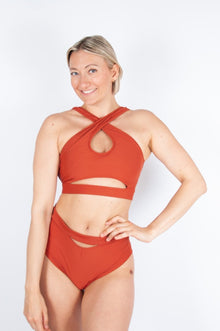
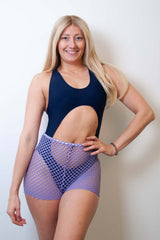
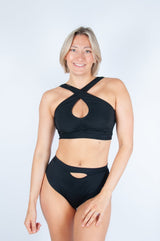
Clothing that handles every move
Grip, fit, freedom of movement — developed in the studio.
To the collection →Pole Dance Moves Intermediate and Advanced
From pole dance moves Level 2, things go upside down. The jump from Level 1 to Intermediate is the biggest in all of pole training because you learn to support your entire body weight with your arms and invert. This requires strength, technique, and mental overcoming — no trick can be shortcut here.
The most important intermediate pole dance moves:
Basic Invert — Your first upside-down pole dance move. You pull yourself up on the pole and bring your legs over your head. The moment this works for the first time is unforgettable. Prerequisite: clean Shoulder Mount or enough arm strength for a controlled ascent.
Crucifix / Cross — You hang upside down with arms spread, held by knee and thigh grip. Looks spectacular and builds trust in the leg hold.
Butterfly — One of the most iconic moves: you hang sideways on the pole with legs spread, held by thigh and hip grip. For this move, you need a lot of skin contact — long pants won't work here.
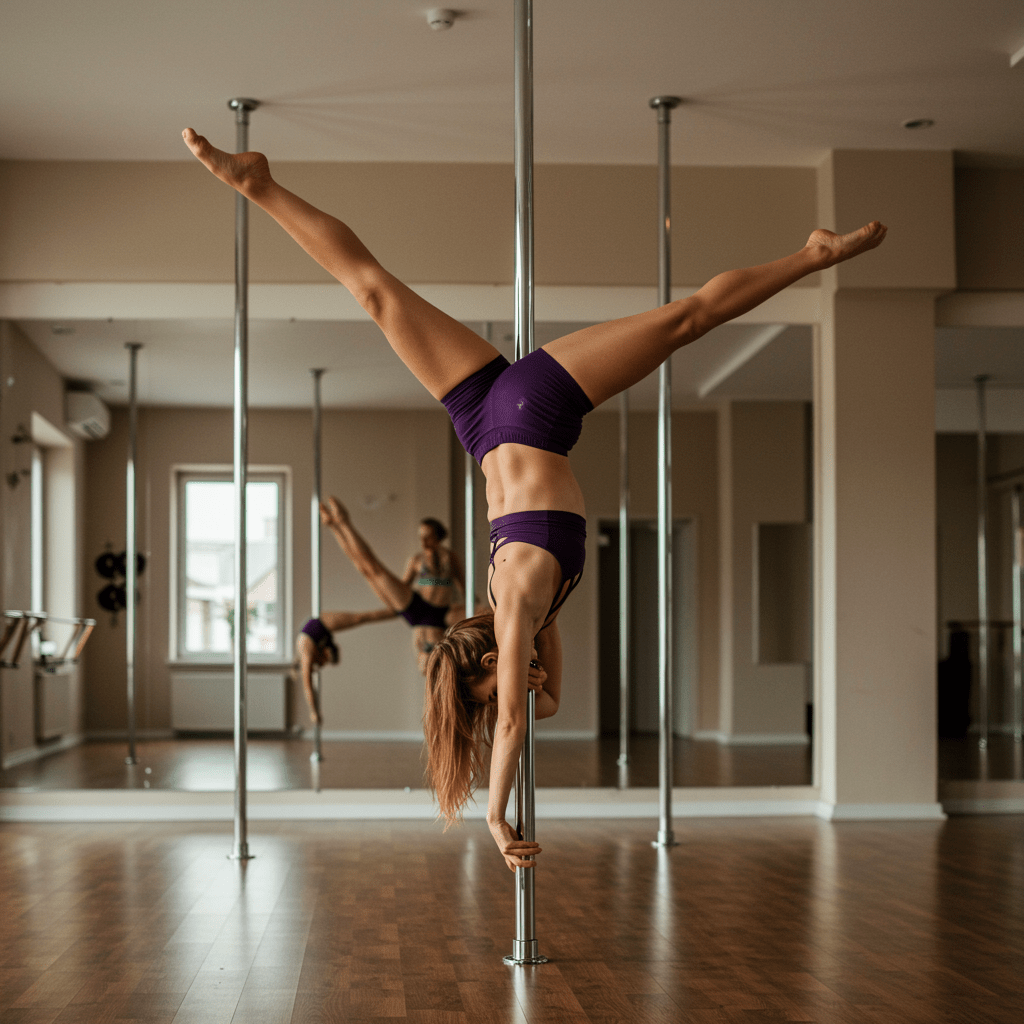
Advanced pole dance moves like Jade Split, Allegra, and Superman require months to years of preparation. Everything comes together here: strength, flexibility, grip, and technique. Advanced moves should only be learned under instruction in a studio — YouTube tutorials are not sufficient for this.
Never practice upside-down moves alone, especially at the beginning. A spotter or a crash mat is mandatory. Unsafe landings can lead to serious injuries.

Pole Dance Spins and Exercises: Understanding Basic Movements
Pole dance spins are the foundation for almost everything that happens on the pole. Before you hold moves, you learn to spin — and that's technically more demanding than it looks. Every spin has an entry, a flight phase, and a clean exit. Controlling this requires pole dance exercises that train grip, arm strength, and coordination simultaneously.
The most important pole dance moves to start with: Fireman Spin, Chair Spin, Back Spin, Front Spin, and the Carousel Spin. Each of them trains different muscle groups and grip points. In Static Mode, you learn the technique; in Spinning Mode, centrifugal force is added — this completely changes the feeling.
In addition to moves on the pole, pole dance exercises on the floor are part of training: push-ups for arm strength, planks for the core, stretching exercises for splits and backbends. Good pole dance training combines both — pole and conditioning. For floor exercises and floorwork elements, knee pads are a useful addition, especially for slides and transitions.
Pole Dance Moves for Shoots: The Most Photogenic Poses
Whether for Instagram, a professional photoshoot, or as a reminder of a training milestone — some pole dance moves for shoots simply look more spectacular than others. The good news: even beginner pole dance moves for shoots can look incredible with the right angle and good lighting.
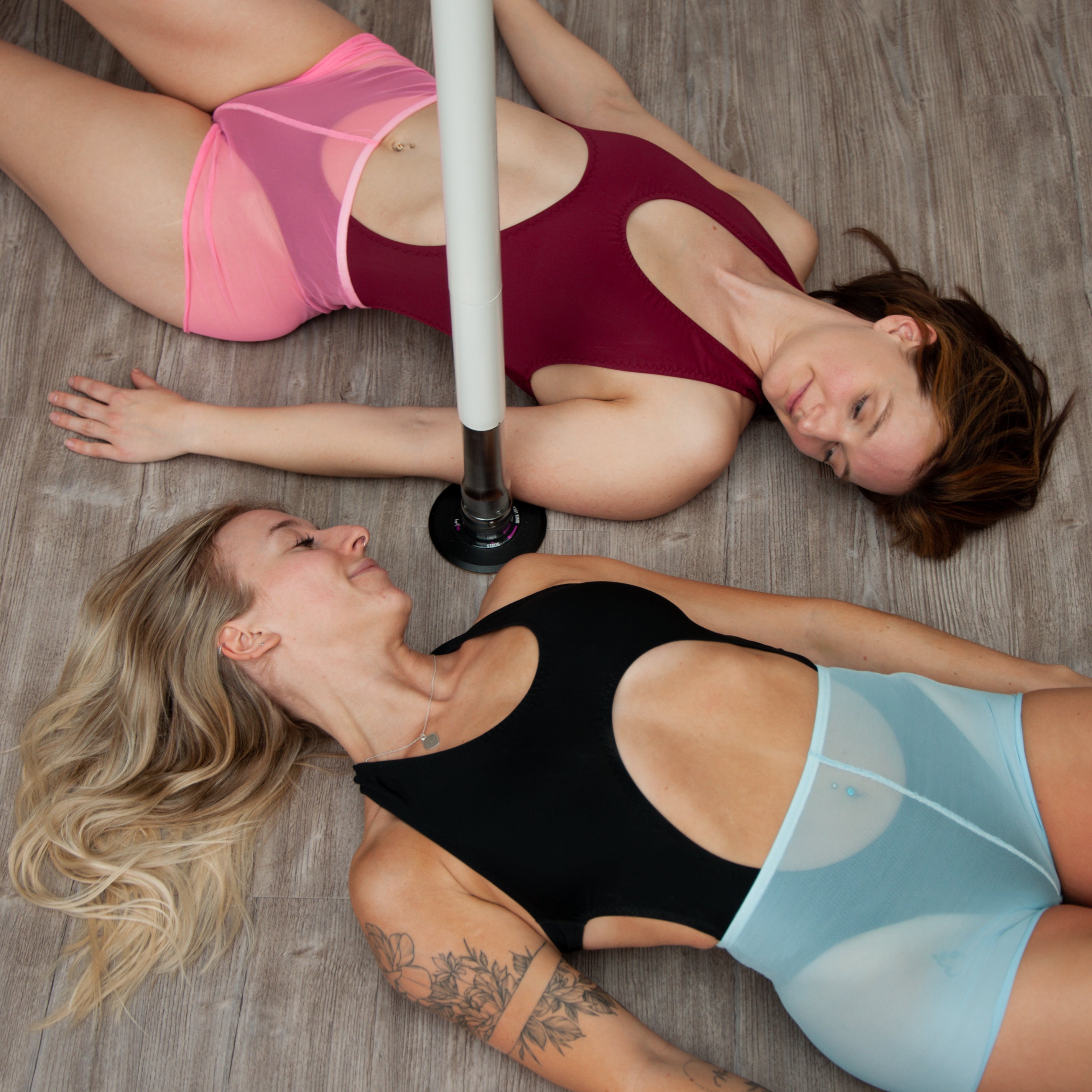
For beginners, the Chair Spin (frozen at the highest point), the Front Hook with a backbend, and the Cradle are suitable as shooting moves. From Intermediate, Butterfly, Jade Split, and Allegra become classics because they create lines that immediately catch the eye in photos. Tip: For a shoot, wear clothing that emphasizes your lines — short shorts and a bodysuit are the most popular combination because they provide grip and look visually clean.
Pole Dance Moves: Names and Overview
There's quite a bit of confusion regarding pole dance move names internationally — the same move can have different names depending on the studio, country, and association. The most common pole move names come from English and are used as such in German studios. Here's a compact pole dance moves overview by level:
Fireman Spin, Chair Spin, Back Hook, Front Hook, Cradle Spin, Carousel, Body Wave, Pole Walk
Basic Invert, Crucifix, Butterfly, Gemini, Scorpio, Inside Leg Hang, Shoulder Mount, Brass Monkey
Jade Split, Allegra, Superman, Iron X, Ayesha, Dragon Flag, Phoenix, Janeiro
The classification varies from studio to studio, and some moves have regional alternative names. In classes and competitions, however, English terms are standard. If you want to learn pole dance, it helps to know the names early on — so you immediately understand instructions in classes, online tutorials, and community forums.
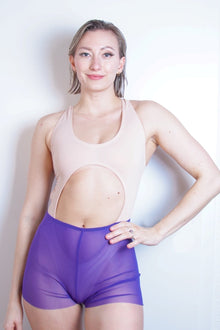
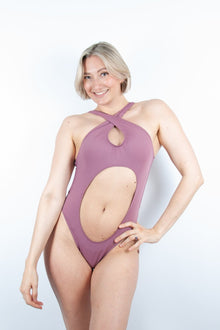
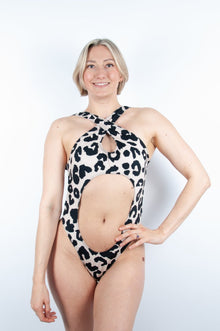
Which pole dance moves you learn next depends on your current level. If you're just starting, focus on the Level 1 basics and work on your grip and arm strength. The rest will come with time — and with the right equipment. Short shorts and a snug top are mandatory for most moves because without skin contact, you won't get a grip on the pole.
- Level 1: Fireman Spin, Chair Spin, Cradle, Hooks — no prior knowledge needed
- Level 2: Inverts, Butterfly, Crucifix — strength and technique as prerequisites
- Advanced: Jade Split, Allegra, Superman — only under instructor supervision in the studio
- Always learn spins in Static Mode first, then Spinning
- For shoots: even beginner moves look spectacular in the right light
- Skin contact = grip: short shorts and snug tops are mandatory
"Every move you can't do today is a move you can look forward to doing tomorrow."