



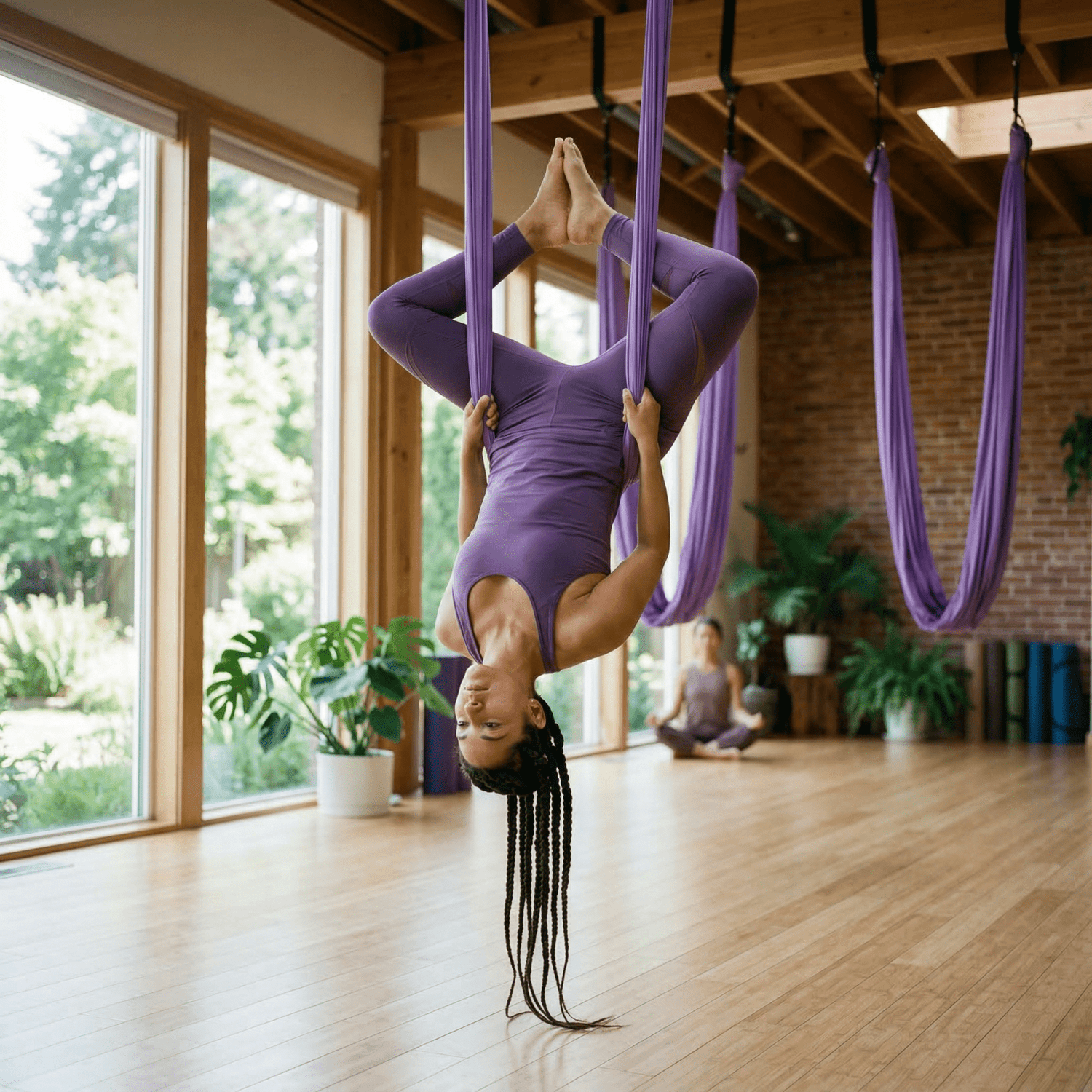

You're suspended in the hammock, your back gently stretched, gravity working for you instead of against you. That's Aerial Yoga – and after the first session, it feels like someone has given you a new spine.
Here you'll find the most important Aerial Yoga exercises for beginners, the typical flow of a class, and everything you need to know to get started.
The most important things in brief
- Aerial Yoga combines classical yoga with a hammock suspended from the ceiling as a training tool
- Also known as Flying Yoga, AntiGravity Yoga, or Hammock Yoga
- Suitable for beginners – neither yoga experience nor special fitness required
- First exercises: sitting in the hammock, supported backbend, cocoon
- A beginner's class usually lasts 60 minutes and costs €15–25 at a studio
- Possible at home with a special hammock and secure ceiling mounting

What is Aerial Yoga? Flying Yoga, AntiGravity, etc.
Aerial Yoga is essentially yoga in a fabric hammock suspended from the ceiling. The hammock supports some or all of your weight, making positions accessible that would not be possible on the ground: inversions become achievable, stretches go deeper, and the spine is gently decompressed by hanging. The result is a blend of strength, flexibility, and a meditative flow state that differs significantly from classical floor yoga – many beginners report a noticeably more relaxed back after just the first class.
Depending on the studio, it goes by different names: Flying Yoga is the most popular alternative name, AntiGravity Yoga is a registered trademark, and Hammock Yoga describes the equipment. The boundaries to other aerial disciplines are fluid – those who dare to take to the air sooner or later also end up with Aerial Silks, Aerial Hoop, or aerial acrobatics in general. Unlike these more acrobatic disciplines, Aerial Yoga usually remains calmer and slower-paced – the focus is on stretching, breathing, and controlled movement rather than tricks and dynamics.
Aerial Yoga Exercises for Beginners
As a beginner, you start with positions that build trust in the hammock before moving on to stretching or inversions. These exercises are part of every first class:
Sitting in the hammock
Sounds trivial, but it's the foundation: you sit in the hammock like in a swing and get used to the swaying and support. Immediately trains balance and body awareness without risk – most beginners lose their initial apprehension about heights after just a few minutes.
Supported Downward-Facing Dog
The hammock supports your hips while your hands and feet remain on the ground. A gentle introduction to the spinal decompression that is a hallmark of Aerial Yoga.
Butterfly Stretch in the hammock
You sit in the hammock, soles of your feet together, knees sinking to the sides. The hammock supports your back and opens your hips deeper than would be possible on the ground.
The Cocoon
You wrap yourself completely in the hammock and gently float in the air – a pure reset for your mind and back, usually at the end of the session.
Simple Inversions
Controlled inversions where you slowly go upside down while the hammock secures you. The introduction to these exercises should always be in guided classes – the technique for getting in and out determines your safety.
Clothing for your Aerial Yoga Training
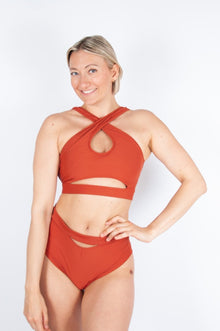
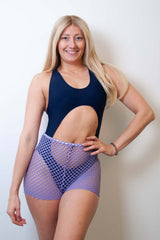
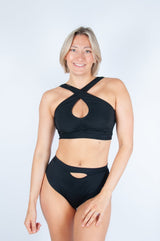
Snug-fitting, flexible, no snagging in the hammock – designed for movement in the air.
To the CollectionWhy Aerial Yoga is suitable for beginners
Contrary to what the name suggests, Aerial Yoga is comparatively accessible for beginners: the hammock takes on some of your weight, making positions possible that would require significantly more strength or flexibility on the ground. Typical effects that beginners quickly notice are a gentle decompression of the spine, a deeper stretch in the hips and shoulders, and a noticeable build-up of deep core muscles through the constant stabilization work in the hammock. Added to this is the meditative effect of floating, which many describe as a balance to a busy daily routine. As with any new form of training: regularity brings more than individual power sessions – just one hour a week makes a noticeable difference in flexibility and body awareness after a few weeks.
- Week 1–2: Sitting, swinging, building body awareness
- Week 3–4: Supported stretches like butterfly and downward-facing dog
- From week 5: Cocoon and first controlled inversions under guidance
Flow of a typical Aerial Yoga class for beginners
A beginner's class usually lasts 60 minutes and often follows a similar structure: warm-up on the ground (approx. 10 minutes), getting used to the hammock with sitting and swinging (approx. 10 minutes), basic positions and stretches in the hammock (approx. 25 minutes), first simple inversions under guidance (approx. 10 minutes) and finally the cocoon with calm breathing for relaxation (approx. 5 minutes). The exact flow varies depending on the studio, but the basic principle – from the ground into the hammock, from simple to more challenging – usually remains the same.
Always learn the basics in a class with a qualified instructor. The correct technique for entering and exiting the hammock is essential for your safety, especially with inversions.
Aerial Yoga at Home and in a Class
Aerial Yoga at home is possible, but safety takes precedence over comfort. You'll need a special tear-resistant nylon hammock (load capacity 200–300 kg) and a secure suspension system – for concrete ceilings, a professional ceiling mount works, for plasterboard only a freestanding frame – or alternatively a mobile freestanding rig without ceiling mounting, practical for rented apartments. You can find everything about materials, size, and installation in our Guide to Buying an Aerial Yoga Hammock. As a guideline: at least 2.40 m ceiling height, 2x2 m free space, and a soft surface as fall protection. Budget €60–150 for a certified hammock and, if you don't install the ceiling mount yourself, another €50–100 for a specialist.
Those who enjoy Aerial Yoga often also like Pole Dance or other aerial disciplines – it's best to look for a studio that offers several types of classes.
Aerial Yoga Clothing: what to wear during training
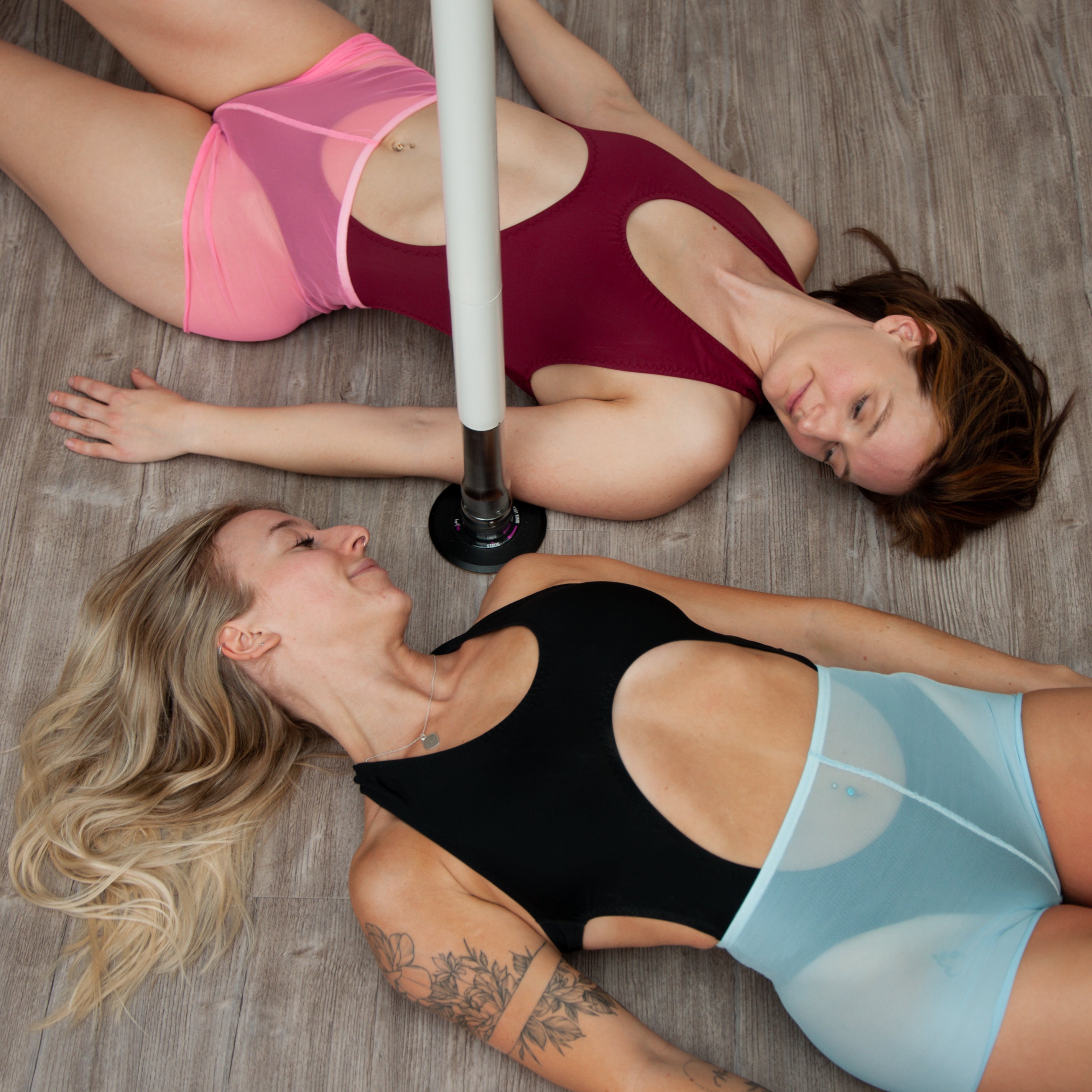
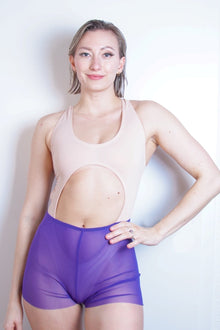
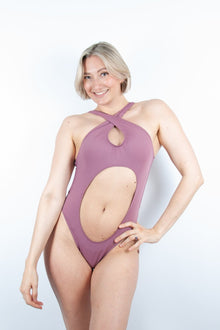
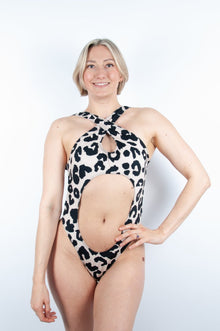
Aerial Yoga clothing differs from other aerial disciplines: you need less skin contact than with pole dance because the hammock supports you even with clothes on. Nevertheless, everything must be snug-fitting – loose clothing can get caught in the hammock and quickly become dangerous. High-waisted leggings that protect the backs of your knees from friction and stay in place during inversions are ideal, along with a snug-fitting, breathable top. Loose t-shirts can ride up over your head during inversions. Especially at the beginning of the class, when your circulation isn't yet up to operating temperature, a light, close-fitting jacket helps to warm up, which you can take off after the first few minutes.
Avoid zippers, buckles, and jewelry – anything that could damage the hammock or get caught in it. For your feet: barefoot or with thin, non-slip socks, depending on the studio and personal preference – some studios require socks for hygiene reasons anyway, so ask beforehand if in doubt. At Lou's Polewear, you'll find clothing for aerial acrobatics that is snug enough for safe training and flexible enough for any position – on the ground or in the air.

FAQ about Aerial Yoga
What is Aerial Yoga?
Aerial Yoga is a form of yoga in which a tear-resistant fabric (hammock) hangs from the ceiling and supports some or all of your weight. This allows for gentle inversions, deeper stretches, and spinal decompression that would not be possible on the ground. Also known as Flying Yoga, AntiGravity Yoga, or Hammock Yoga – suitable for beginners without prior experience, ideally under instruction in a class.
Ready for your first hammock training?
Discover clothing that performs with you – on the ground and in the air.
Discover nowConclusion: Aerial Yoga for Beginners
- Starting is possible without prior yoga experience – the first exercises build trust in the hammock
- Sitting, supported stretches, and cocoon are part of every beginner's class; inversions only later under guidance
- A studio class usually lasts 60 minutes and costs €15–25
- For home use: certified hammock, secure ceiling mounting, at least 2.40 m ceiling height
- Clothing must be snug-fitting – loose items and jewelry are a safety risk in the hammock
Whether in a studio or with a safe setup at home: Aerial Yoga is one of the most accessible ways to get into aerials – you need neither prior experience nor special strength, just the willingness to trust the hammock. For many, it becomes, as with Louisa, the entry into further aerial disciplines.
You don't learn to float in your head, but in the hammock.