




Two fabrics hanging from the ceiling — and suddenly your body becomes a means of expression. Aerial silks is one of the most versatile disciplines in aerial acrobatics, and getting started is easier than the spectacular images might suggest.
Here you'll find out which aerial silk is worth buying, how to hang it safely, which figures you'll learn first as a beginner, and what you need to pay attention to when training at home — even if children are training too.
The Essentials at a Glance
- Aerial silks are suitable for everyone — no gymnastics background needed
- Standard length: 8–10 meters, minimum ceiling height 2.50 m
- Cost: Beginner silk from €60, aerial silk with suspension as a set from €100–150
- Hang only from a load-bearing ceiling (concrete or solid wooden beams)
- First figures: Footlock, Hiplock, Pencil, Star — learnable in the first few class hours
- Clothing: close-fitting, no zippers, armpits and back of knees free

What is Aerial Silk? Aerial Silk Explained Simply
Aerial silks — internationally known as Aerial Silk or Aerial Silks — is a discipline of aerial acrobatics where you climb, wrap yourself in, and hold figures in the air using two long fabric panels hanging from the ceiling. Unlike Aerial Hoop (ring) or trapeze, you work with flexible material that you can wrap, knot, and loop around your body. This makes aerial silks the most versatile and technically demanding aerial discipline.
An aerial silk consists of two fabric panels, 8–10 meters long, hanging from a central point on the ceiling. Material is usually nylon with a stretch component, width 160–180 cm.
Basically, aerial silks are accessible to everyone — you don't need a circus background or to be able to do the splits to start. As a beginner, you build strength, grip, and technique step by step in training. Most studios offer introductory courses, and you'll learn figures that feel impressive in just the first few hours. If you're looking for a calmer option, Aerial Yoga offers an alternative with a focus on stretching instead of acrobatics.
Buying Aerial Silk: Material, Length, and Cost
Buying an aerial silk is worthwhile if you train regularly and know that you'll stick with it. You have three material options: nylon with stretch (standard, beginner-friendly, good grip), low-stretch nylon (less stretch, more precise control for drops), and cheaper polyester blends. For beginners, stretch nylon is recommended — it's more forgiving of mistakes and more comfortable on the skin.
The length depends on your ceiling height: standard is 8–10 meters for 4–5 meter ceiling height; for home use (2.5–3 m ceiling), 6–7 meters are sufficient. The width is usually 160–180 cm — folded, this results in the two fabric panels you work with.
Aerial Silk Suspension, Mounting, and Hardware
The suspension is the most critical point — an incorrect mounting can be life-threatening. The ceiling must be able to support at least 300 kg of dynamic load. Concrete ceilings are ideal: with heavy-duty anchors (M10 or M12) and a steel mount, you have a bomb-proof base. Solid wooden beams also work, with long wood screws directly into the beam.
Drywall alone won't hold. If your ceiling is made of plasterboard, the load must be transferred to the concrete behind it via through-fastenings. Suspended ceilings are completely out of the question — in this case, only a freestanding rig is an option. For the mounting itself, there are ceiling plates with an eyelet (load distributed over several anchors, 300–500 kg), heavy-duty ceiling hooks (200–300 kg), and freestanding frames for rental apartments (€200–400). More about rigs and frames can be found in the Aerial Acrobatics Guide.
When in doubt, always have the suspension installed or checked by a professional. The €50–100 for this is non-negotiable for forces up to 300 kg.
Aerial Silk at Home: Setup for Adults and Children
Setting up an aerial silk at home is possible if the conditions are right: a load-bearing ceiling, at least 2.50 m ceiling height (ideally 3 m+), at least 2x2 meters of free space around the suspension point, and a thick crash mat as a base. No furniture in the vicinity, no lamp within reach, a flat, non-slip floor.
Aerial silks for children is a growing area — more and more families are setting up their own children's room setups for it. Special rules apply to children: lower suspension (max. 1.5 m above the floor for beginners), shorter fabric (4–5 meters are sufficient), thicker crash mats (at least 20 cm), and always supervision. Never leave children unsupervised on the silk. Recommended age: from 6 years at the earliest, ideally from 8.
- Suspension max. 1.5 m above the floor
- Shorter fabric, 4–5 meters are sufficient
- Crash mat at least 20 cm thick
- Always with supervision, never alone on the silk
- Start playfully — sitting, swinging, lying in it, rather than immediate figures
Ready for your first aerial silks training?
Clothing that moves with you when wrapping, climbing, and in every figure — developed from real training.
Discover aerial acrobatics clothingAerial Silk Figures, Tricks, and Knots
Before you learn tricks, you need the basic knots. The footlock — where the fabric wraps around your foot providing secure hold — is the most important one. After that comes the hiplock (wrapping around the hip), single wrap, and double wrap. These wraps are the foundation for all figures and drops.
The first figures for beginners: Pencil (extended basic posture), Stag (one leg bent, elegant and photogenic), Star (arms and legs spread), and Cocoon (completely wrapped, perfect for relaxation). You'll get detailed instructions in a class — learning figures from videos is risky with aerial silks because the wraps must be exact.
Advanced tricks include splits in the fabric, inversions (upside-down positions), and drops — controlled falls where the fabric catches you. Drops look spectacular but should only be performed under professional guidance. Those who also train on the pole will find parallels with pole dance figures — the demands on strength and grip significantly overlap.
Aerial Silk Training, Exercises, and Clothing
A typical class lasts 60–90 minutes: warm-up and mobilization (15 min), strength and flexibility exercises on the floor (15 min), technique on the silk — knots, figures, combinations (40–50 min) — and cool-down (10 min). For beginners, 1–2 sessions per week are sufficient; advanced practitioners often train 3–4 times weekly. What many underestimate: hands and forearms initially need weeks to get used to the strain.
Floor exercises supplement training on the silk: climbing exercises for grip strength, hollow body holds for core tension, stretching exercises for splits and backbends. A structured training with conditioning and technique blocks will help you progress faster than pure silk training without a plan.
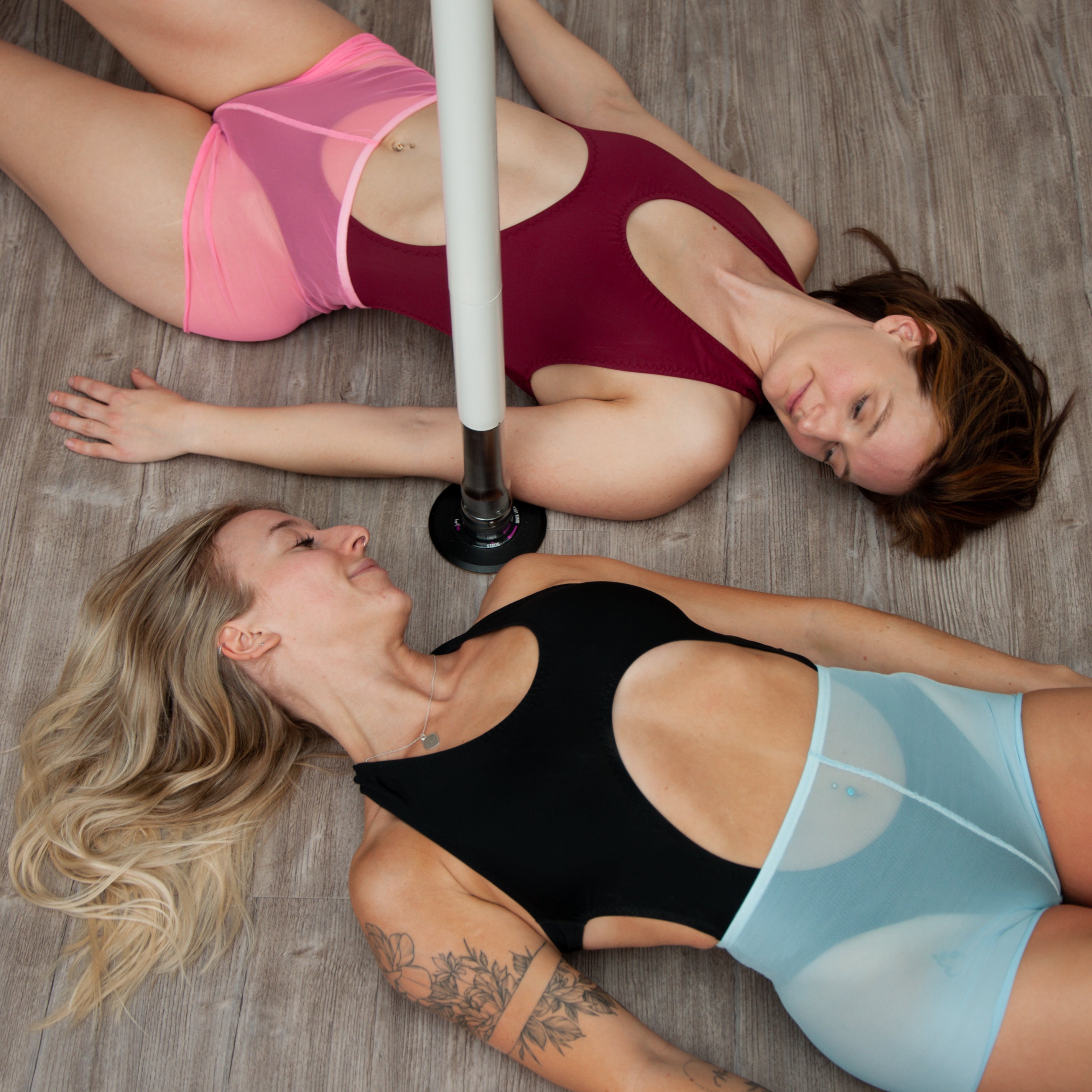
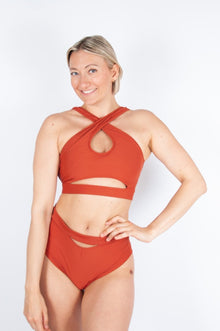
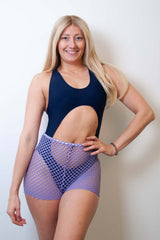
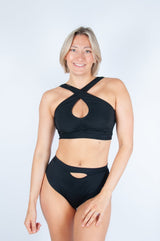
Regarding clothing: close-fitting, no loose parts, no zippers. Long leggings protect the skin during wraps on the legs, a close-fitting top leaves the armpits free — for many figures, you need skin contact there. Bodysuits are the most versatile option because they don't slip. The setup is complemented by knee pads for floor training and grip aid for sweaty hands.
Your Clothes for the Next Training Session
Maximum grip, perfect fit — developed by a dancer for dancers.
To the CollectionAerial Silk FAQ
How much does an aerial silk cost?
A fabric only can be bought from €60. An aerial silk with suspension as a complete set costs €100–150; professional silks are €150–250. If you buy the fabric and suspension separately, an additional €50–150 will be added for carabiners, swivel, and ceiling point.
Conclusion: Aerial Silks for Beginners
- Aerial silks = two fabric panels for figures, wraps, and drops in the air
- No prior knowledge needed — you build strength and technique in class
- Buying: from €60 for fabric only, from €100–150 as a set with suspension
- Mounting only on concrete or solid wooden beams, never on drywall
- Children: from 6–8 years, always with supervision and lower suspension
On the aerial silks, you don't just learn figures — you learn to trust your body. The first footlock feels impossible until suddenly it isn't.
"Trust in your own abilities doesn't grow on the ground, but at the moment you entrust yourself to the fabric."