

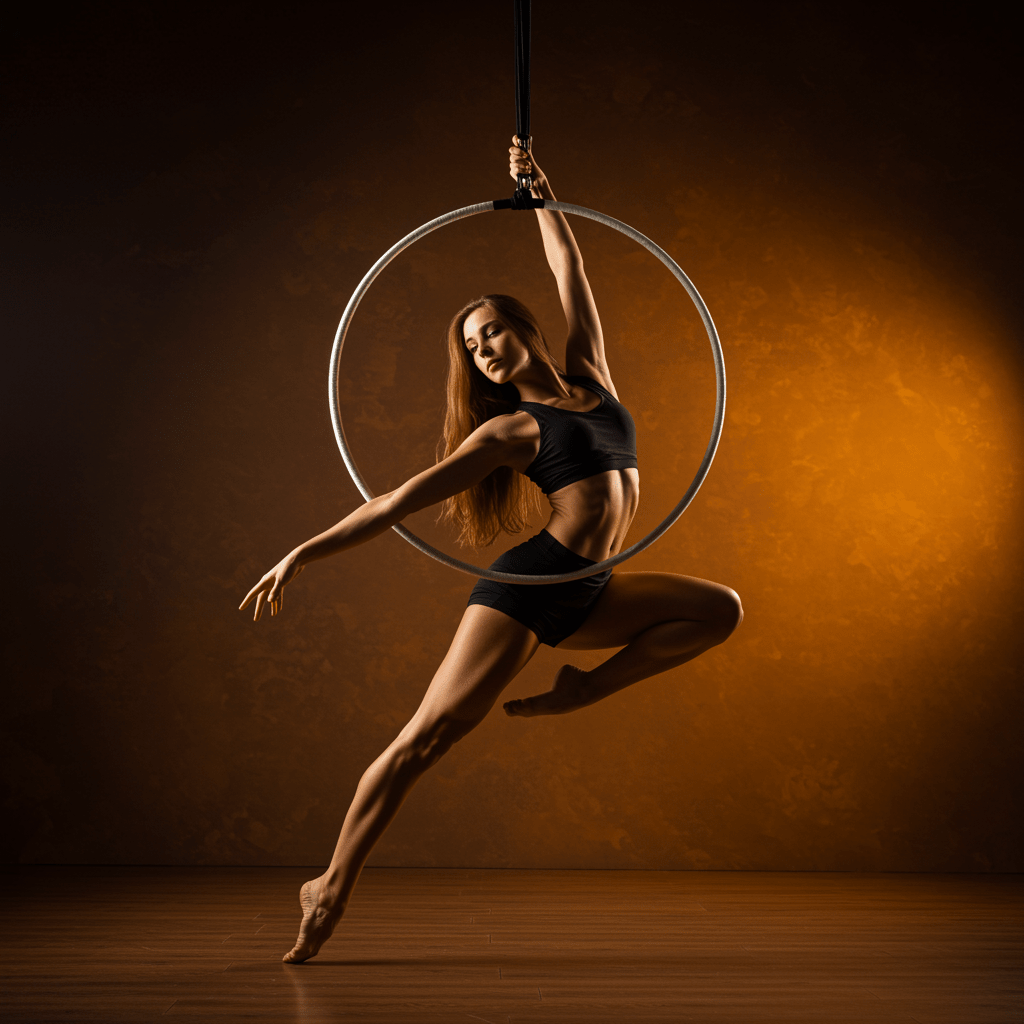

A hoop hanging freely in the air — and you never want to come down. That's how most describe their first encounter with Aerial Hoop. The combination of strength, elegance, and the feeling of weightlessness makes this aerial acrobatics discipline so special.
This guide shows you what really matters in aerial hoop: from the right size and secure rigging to your first moves and the right clothing for your training.
Key takeaways
- Aerial Hoop (also known as aerial ring, lyra, or aerial ring) is acrobatics in a hanging metal ring — suitable for beginners to professionals
- Single-point hoops rotate freely for dynamic moves, two-point hoops are more stable for static poses
- Common diameters range from 80 to 100 cm, depending on your height
- Rigging is safety-critical: only load-bearing concrete ceilings or certified frames
- A complete set costs from €80–150, freestanding frames €400–1,200
- Tight-fitting clothing with grip is crucial for a secure hold on the hoop

Table of Contents
- What is Aerial Hoop and why is it worth getting started?
- Buying an Aerial Hoop: Size, Material, and Accessories
- Rigging an Aerial Hoop: Mounting, Frame, and Ceiling Installation
- Aerial Hoop Poses for Beginners and Advanced Practitioners
- The Right Aerial Hoop Clothing for Your Training
- Aerial Hoop FAQ
What is Aerial Hoop and why is it worth getting started?
Aerial Hoop — also called aerial ring, lyra, or aerial ring — is a discipline of aerial acrobatics where you train in and on a hanging metal ring. The ring is attached to the ceiling or a frame and floats freely in the air. In it, you perform moves that combine strength, flexibility, and balance.
Unlike disciplines such as aerial silks or aerial yoga, you work on a fixed, round structure in aerial hoop. This often makes it easier to get started: you have a tangible frame to hold onto, and the first sitting positions are more intuitive than on silks.
Aerial Hoop trains the entire body — upper body strength, core stability, grip strength, and flexibility all at once. And yet, the discipline is surprisingly meditative: once you're in the hoop and spinning, only the moment matters.
Buying an Aerial Hoop: Size, Material, and Accessories
If you want to buy an aerial hoop, you face a fundamental question: single-point or two-point rigging? Single-point hoops hang from a single point and rotate freely — ideal for flowing choreographies and spins. Two-point hoops are attached at two points and are significantly more stable, making them a better choice for beginners and static poses.
Stainless steel and powder-coated steel dominate the material options. Stainless steel is more durable and offers more grip on skin contact. Powder-coated hoops are cheaper and more flexible in color, but the coating wears off over time. For regular training, investing in stainless steel is usually worthwhile.
The right size for your Aerial Hoop
The diameter should match your height. As a rule of thumb: Sit upright in the hoop — there should be about a hand's width of space between your head and the top.
Aerial Hoop Set and Accessories
A complete set consists of a hoop, carabiner, sling (hanging loop), and usually a swivel for rotation. For beginners, a ready-made set is the easiest solution because all components are matched. If you buy individually, pay attention to the load capacity of each part — every element in the chain should be able to bear at least 500 kg of static load. For aerial hoop accessories, grip aid for sweaty hands and, especially at the beginning, knee pads are also worthwhile.
Buying a used hoop can be worthwhile — but then check it for dents, rust, and welds. A bent or corroded hoop is a safety risk. With prices starting at approx. €80–150 for a good set, buying new is the safer choice in case of doubt.
Only buy aerial hoops from specialized suppliers with load capacity certification. Decorative rings without certification are not suitable for acrobatics and can break under load.
The right clothing for your aerial training
Maximum grip, perfect fit — developed by a dancer for dancers.
To the collectionRigging an Aerial Hoop: Mounting, Frame, and Ceiling Installation
The aerial hoop rigging is the most critical point when training at home. An incorrectly rigged hoop can be life-threatening. Basically, you have two options: ceiling mounting or a freestanding frame.
Mounting an Aerial Hoop to the Ceiling
If you want to mount your aerial hoop to the ceiling, it must be made of concrete — wooden beam ceilings only after professional inspection, plasterboard and suspended ceilings are taboo. The ceiling mount is drilled directly into the concrete with heavy-duty anchors; use only certified anchor plates with at least 1,000 kg load capacity.
The ceiling height also matters: at least 3 meters, preferably 3.50 meters or more. The bottom edge of the hoop should hang at hip height so you can easily get in, and you need enough space above for figures over the hoop. If in doubt, have the installation carried out by a professional.
Aerial Hoop Frame as an Alternative
A freestanding frame is the safest solution if your ceiling is not suitable or you rent. Good frames are made of steel tubes, can be adjusted in height, and are collapsible for transport. Prices range from €400 to €1,200 depending on quality and size.
It's best to start your training in a studio before investing at home. This way you'll find the right hoop size, learn the basics safely, and then be able to make an informed decision about which setup suits you.

Aerial Hoop Poses for Beginners and Advanced Practitioners
The aerial hoop poses range from simple sitting positions to drops and spinning combinations. As a beginner, you start with poses that give you confidence in the hoop — as an advanced practitioner, you build on this and develop your own style.
Aerial Hoop Beginner Poses
The first exercises focus on safe entry and exit, sitting positions, and simple poses. The most important aerial hoop poses for getting started:
Seated Position: The foundation — you sit in the hoop like on a swing. Sounds simple, but requires core stability and confidence.
Man in the Moon: One of the most famous aerial hoop poses — you sit sideways in the hoop, one leg bent, the other extended.
Mermaid: You lie face down over the bottom bar, legs stretched back. Trains back muscles and balance.
Gazelle: Similar to Mermaid, but with one leg bent and one extended — more elegant and slightly more demanding.
Star: You hang stretched out on the hoop, arms and legs extended — one of the first poses that truly looks like aerial acrobatics.
Aerial Hoop Poses for Advanced Practitioners
As strength and confidence grow, more dynamic poses are added: drops, rotations, poses above the hoop, and fluid transitions between positions. Advanced practitioners combine individual poses into entire choreographies — the point where training turns into art. Regular studio training with an instructor remains essential for safety, especially when learning new poses.
The Right Aerial Hoop Clothing for Your Training
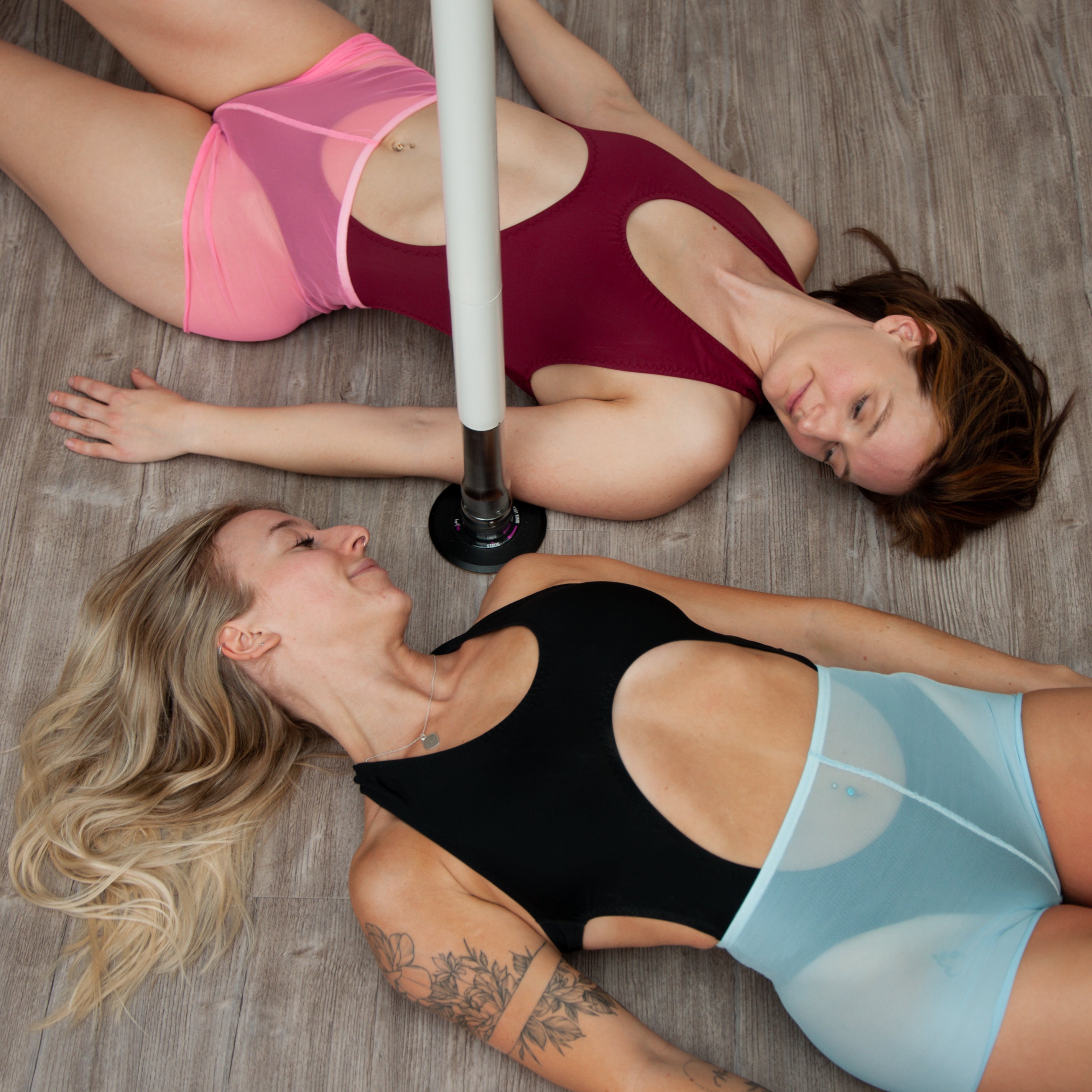
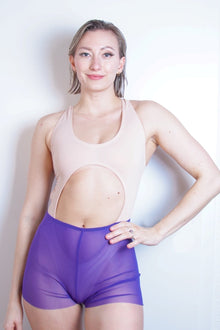
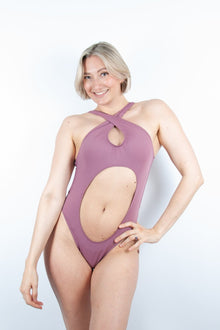
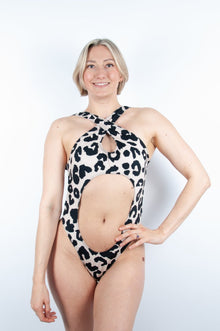
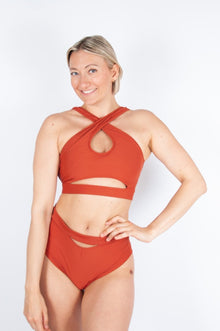
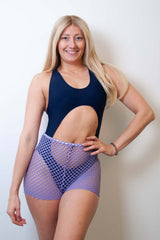
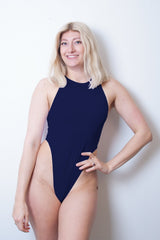
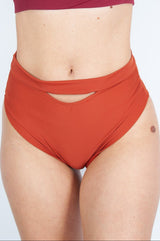
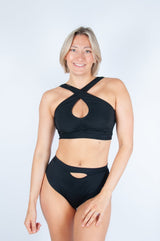
For aerial hoop, your clothing needs two things at once: to provide grip and not get in the way. Loose clothing gets caught in the hoop, too slippery fabrics offer no hold. The ideal aerial hoop clothing is tight-fitting, elastic, and leaves skin exposed in crucial areas — inner thighs, backs of knees, armpits.
For the top, tight-fitting tops or sports bras that won't ride up even when upside down are suitable. For the legs, short shorts work best as they allow maximum skin contact with the hoop. Especially at the beginning, knee pads are a good investment — many hoop poses stress the backs of the knees, and with padding, confidence builds faster.
Lou's aerial acrobatics clothing is specifically designed for the demands of the hoop, silks, and trapeze: grip where you need it, freedom of movement where it counts.
Aerial Hoop FAQ
What is Aerial Hoop?
Aerial Hoop is an aerial acrobatics discipline in which you train in a metal ring suspended from the ceiling or a frame. The ring is also called an aerial ring, lyra, or aerial ring. The discipline combines strength, flexibility, and elegance and is suitable for both beginners and advanced practitioners — no other aerial discipline offers such a tangible frame as the hoop.
Clothing that supports every move
Grip, fit, freedom of movement — developed in the studio, made for your flow.
Discover outfitsConclusion: Your Introduction to Aerial Hoop
- Start in a studio before investing at home — this way you'll find the right hoop size and learn the basics safely
- When buying, look for stainless steel, certified load capacity, and the right size
- Rigging is the number one safety concern — only concrete ceilings or certified frames
- Beginner moves like Man in the Moon and Mermaid are more achievable than you think
- Tight-fitting clothing with grip makes all the difference between a secure hold and slipping
The hoop isn't waiting for you to be perfect — just for you to get in. With the right preparation, a good studio, and suitable clothing, aerial hoop is one of the most accessible aerial disciplines out there.
"The hoop gives back exactly what you put in — strength, courage, and eventually the feeling of being able to fly."